
Reward Heads
Using our heads to solve your Reward challenges.
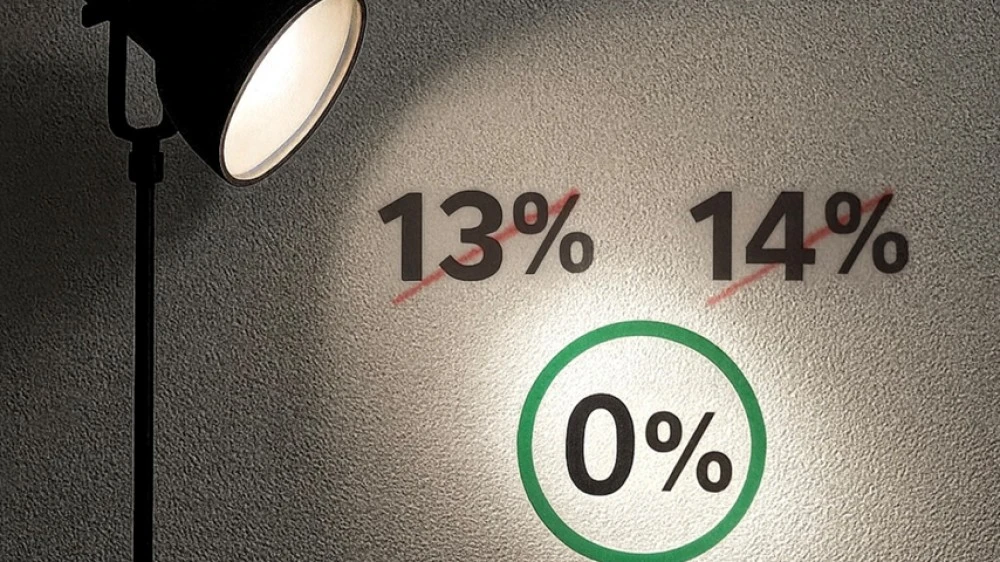
Here's a confession: I sometimes glaze over when I see national headlines about the gender pay gap creeping up or down by about 1% - 14% this year, 13% the next. Cue collective groans, a shrug, and maybe a debate on Breakfast TV.
But here's the truth: whether the national figure is 13% or 14% doesn't actually change much. Because the gender pay gap isn't a national curiosity, it's a local responsibility. Each organisation has its own story to tell, and the only meaningful goal is 0% within your own walls.
The problem with averages
National averages are blunt instruments. They blend together global banks and local cafés, tech start-ups and manufacturing giants. Some companies are close to pay parity, others are miles away. The "average" masks the reality that the experience of your employees depends entirely on what your organisation is doing, or not doing.
For 20 years, we've also underestimated the size and complexity of the gap. Research has shown that official methods often smooth over structural issues like part-time work, career breaks, and occupational segregation. In other words, the headline numbers can be misleading - and they risk lulling employers into a false sense of comfort.
Why striving for 0% matters
The goal isn't to shave a percentage point off the national average - it's to build a fair and equitable workplace. That means understanding why gaps exist in your organisation, not hiding behind the national figure.
Striving for 0% is about more than compliance; it's about credibility. Employees notice. Candidates notice. Regulators and investors notice. And if you don't take the issue seriously, you risk reputational damage, talent drain, and an unmotivated workforce.
Plus, let's be honest: if your company proudly announces, "Our gap is only 11% compared with the national 13%!" it still means that, on average, women are paid less than men for no reason other than gender. Hardly a cause for celebration.
Key things organisations need to consider
So, what should organisations do if they want to move their number closer to zero?
Beyond gender: other EDI gaps
The same principles apply to other areas of equity, diversity and inclusion. Ethnicity and disability pay gaps, for example, are equally important to understand - and just as often underestimated (if they are even calculated at all).
Final thoughts
Does It Really Matter if the Gender Pay Gap Is 13% or 14%? Not really. What matters is whether yours is 0%.
It's important to recognise steady improvements within your business, and acknowledge that Rome wasn't built in a day. There will of course be stepping stones on the roadmap as strategies around Equality come into better effect, but the ultimate destination goal should surely be 0%.
The national gender pay gap figure will continue to bob up and down, and headlines will continue to shout about it. But don't be distracted. The real challenge, and the real opportunity, lies in your organisation's own numbers.
The goal isn't to be "better than average." It's to build a workplace where everyone has equal opportunity, reward, and recognition, regardless of gender, ethnicity, disability, or anything else.
So, here's the question: instead of debating whether the UK's gap is 13% or 14%, what will your organisation do to get as close to 0% as possible?
If you would like support around producing your pay gap numbers, investigating the cause of gaps within your organisation or setting out strategic plans as to how to make a meaningful and significant difference, then please reach out to us at rewardsolutions@rewardheads.co.ukto arrange a chat about how we can help.
Claire Williams - Consulting Director